
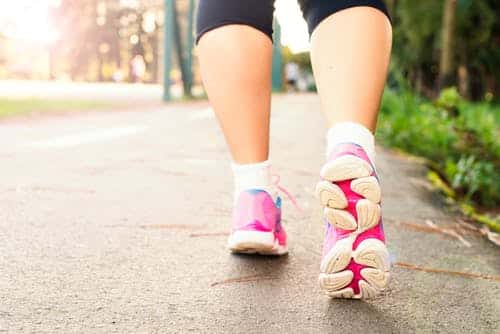
There are dangers in inactivity during the pandemic. Being inactive even for short periods of time can negatively affect your health.
As we find ourselves in a new lockdown, people also face a serious risk from reduced physical activity — especially older adults. Developing a plan to be physically active now will help you to stay strong and healthy.
While most people are aware of the benefits of physical activity like increased muscle, increased strength, reduced risk of disease, better quality of life, and a lower risk of death; we tend to be less aware of how damaging and expensive reduced physical activity can become.
The loss of muscle and strength as one gets older is something with which we might be familiar. We have all heard older family members say, “I’m just not as strong as I used to be,” or “I just can’t do that anymore.” But did you know that inactivity can make muscle loss a whole lot worse? Let’s discuss this.
The Negative Health Effects of Inactivity
Sudden physical inactivity can “happen to” a person by an “accident”such as a broken leg or because of being bed-bound due to illness. However, overall, reduced physical activity, such as a reduction in the number of daily steps, is a long-term choice that brings about multiple negative health consequences.
Insulin resistance (an early warning indicator of the development of type 2 diabetes), reduced muscle mass, increased body fat, and poor sleep quality are just some of the health concerns caused by physical inactivity. Physical inactivity is also a major contributor to poor mental health and social isolation, which can be particularly problematic for older adults.
The Health Effects of Inactivity Start Piling Up Right Away
McMaster University researchers have shown that having daily steps under 1,500 for only two weeks can reduce an older person’s insulin sensitivity by as much as one-third. The same period of inactivity also led to individuals over age 65 losing as much as four per cent of their leg muscle. This number of steps is similar to the activity level of person who is housebound during this pandemic.
To make matters worse, once an older individual loses muscle, it is much more difficult to regain that muscle. For example, even when the research subjects returned to their normal daily routines, they did not regain their lost muscle. In other words, older individuals simply don’t possess the same ability to bounce back that younger people do.
Use It Or Lose It
Regaining muscle requires deliberate effort. So, it truly is a case of: use it or lose it. There are at least two things you can do: resistance exercise and eating your protein — to keep and even build muscle, get stronger, and maintain your health.
The most effective way to maintain the muscle you have is strength training, or resistance exercise, which means performing work against additional weight. And it doesn’t have to be complicated. Even if you do not have access to a gym to use free-weights and guided-motion machines, there are many valuable alternatives you can easily do at home. Body-weight exercises such as push-ups, squats and lunges, elastic-band exercises, and stair-climbing are just a few options that will help you to meet the World Health Organization’s latest physical activity guidelines.
The good news for those who react to the sound of resistance exercise is that doing any exercise with a high degree of effort will help you to get stronger and prevent (at least some) muscle loss. If, for whatever reason, performing resistance exercise isn’t possible; simply staying active, adding a walk, a bike ride or some lower-intensity strength exercises such as yoga or Pilates to your daily routine can have significant physical and mental health benefits.
Protein Makes You Feel Full And Keeps Building Muscle
Of course, a healthy diet and avoiding overeating are also critical to staying healthy. Protein-rich foods are particularly important, since they make you feel fuller longer and provide building blocks for your muscles.
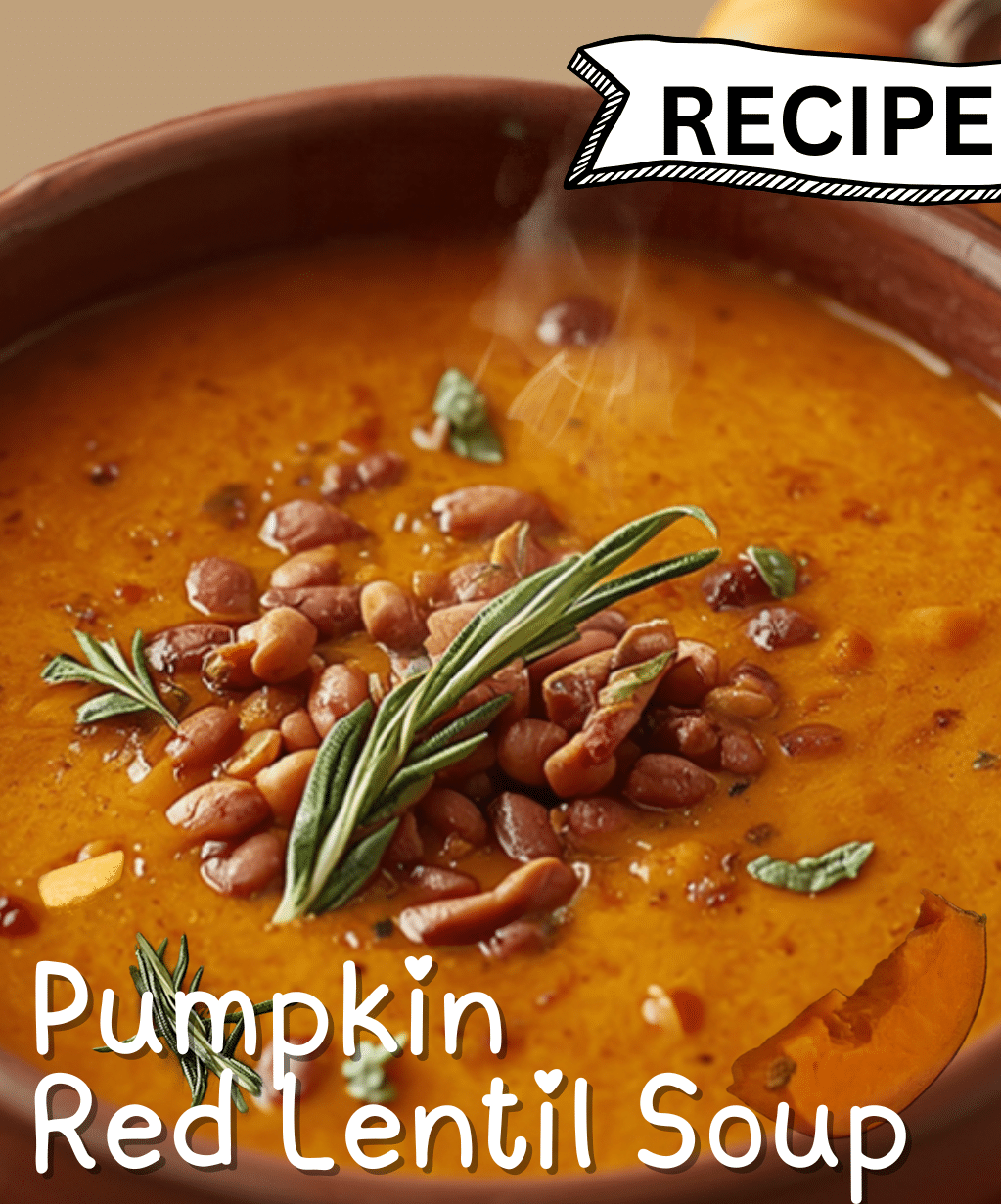
It is generally understood that older adults need more protein than current guidelines suggest. A good, easily achievable, target would be to eat 25 to 40 grams of protein with each meal (about one or two palm-sized portions). This equates to approximately 1.2 to 1.6 grams of protein per kilogram of body mass each day. Also, getting your protein from both animal (dairy, meat, fish, and eggs) and plant-based (beans, nuts, seeds, and lentils) sources may be beneficial.
Given how quickly inactivity and poor nutrition can sap your strength and your health, staying active now is the best way to get through the lockdown…



Leave A Comment