

Eating healthy doesn’t have to be complicated. There’s not a long list of rules you need to follow, or a complicated diet plan to stick to, but here are some tips for refrigerating food for added longevity and food you want to always have in your fridge:
Tofu
Many say to designate two days a week when you eat meat or other animal-derived food. And for the other days, opt for plant-based protein, like beans from your shelf and tofu from your fridge. Try to find plant-based substitutes for the meat we are used to having at the center of a meal. For example, try lightly sautéed tofu, drizzled with olive oil, or try tempeh. There are so many different ways you can use tofu, all of which provide versatile dishes from silken soft to extra firm.
Fish
While meat could be reduced in North American diets, fish can be increased. You can eat up to three ounces of fish daily, as those who eat a plant-based diet that includes small portions of fish live longer according to some studies. Give preference to “mid-chain fish” like trout, salmon, snapper, grouper, sardines, and anchovies.
Alt-milk
Dairy should be reduced in general. North Americans have relied on milk for calcium and protein for decades. However, 1 cup of cooked kale or 2/3 cup of tofu, for instance, provides just as much bioavailable calcium as a cup of milk. Alt-milks, including unsweetened soy, coconut, or almond milk have as much protein as regular milk and often taste as good or better.
Nuts
It has been documented that, in general, “nut-eaters” outlive those who don’t eat nuts. Because of that, eating a handful—aka two ounces—of mixed nuts a day is encouraged. Nuts come in a variety of flavours, and they’re full of nutrients and healthy fat that satiate your appetite. Purchase small quantities since the oils in nuts degrade (oxidize); however, larger quantities can be stored in the refrigerator or freezer for a couple of months.
Vegetables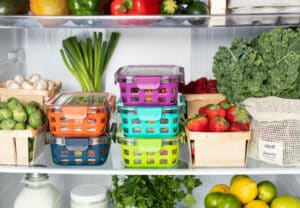
Most nutrition experts say 90-95 percent of the food you eat should be plant-based. Eat a large variety of garden vegetables when they are in season: leafy greens such as spinach, kale, beet and turnip tops, chard, and collards, broccoli, brussels sprouts, cabbage, cauliflower, and peppers—really, a variety to have on hand.
Fruit
Get fresh fruit, apples, melons, grapefruit, oranges, and clementines. You can also keep bananas in your fridge, doing so when they’re almost ripe will make them last longer. Aside from filling your fridge with fruit, shelf location is also key: I recommend keeping your fruit (as well as your veggies) near the top shelf of your refrigerator, as doing so puts them at eye level and encourages you to eat more of them.
Eggs
Select eggs from chickens that range freely, eat a wide variety of natural foods, and don’t receive hormones or antibiotics. Eggs are cheap, satiating, easy to find, and they’re an excellent source of high quality protein. Your body is able to fully absorb all the protein from the eggs.



Leave A Comment