

Good nutrition is a critical part of health and development. According to the World Health Organization, better nutrition is related to improved health at all ages, a lower risk of diseases, and longevity. I offer science-based nutrition tips to help you lead a healthier lifestyle. These nutrition tips can help you make healthy food choices.
Protein With Every Meal
Including some protein with every meal can help balance blood sugar. Some studies suggest higher protein diets can be beneficial for type 2 diabetes.
Eat The Rainbow
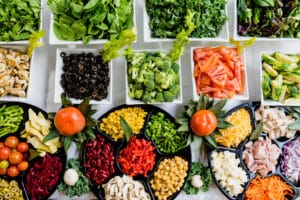
The saying “eat the rainbow” helps remind people to eat different coloured fruits and vegetables. Varying the color of plant foods means that you get a wide variety of antioxidants beneficial to health, for example, carotenoids and anthocyanins.
Drink More Water
Drinking enough water every day is good for overall health and can help manage body weight. Drinking water can prevent dehydration, which can be a particular risk for older adults. If you do not like plain water, you can add some citrus slices and mint leaves or drink herbal teas.
Fish
According to research, omega-3 fatty acids in oily fish are essential for cell signaling, gene expression, and brain and eye development. Some studies indicate that omega-3 fatty acids can reduce the risk of cardiovascular disease. Other research suggests the anti-inflammatory properties of omega-3 may effectively manage the early stages of degenerative diseases such as Alzheimer’s disease and Parkinson’s disease.
Whole Grains
I recommend you eat whole grains rather than refined grains. Whole grains contain nutrients such as B vitamins, iron, and fiber. These nutrients are essential for body functions that include carrying oxygen in the blood, regulating the immune system, and balancing blood sugar.
Greens
Dark green leafy vegetables are a great source of nutrition and are rich in vitamins, minerals, and antioxidants. The folate in leafy greens may help protect against cancer, while vitamin K helps prevent osteoporosis.
Healthy Fats
You should limit your intake of saturated fats and avoid trans fats. You can replace these fats with unsaturated fats, which you can find in foods such as avocado, oily fish, and vegetable oils.
Extra Virgin Olive Oil
As part of the Mediterranean diet (my heritage), extra virgin olive oil has benefits to the heart, blood pressure, and weight, according to a health report. You can include extra virgin olive oil in their diet by adding it to salads or vegetables when cooking food at low temperatures.
Nuts
One serving of nuts daily, in place of red or processed meat, french fries, or dessert may benefit health and prevent long-term weight gain. Brazil nuts, in particular, may help you feel fuller and stabilize their blood sugar.
Fiber
Fiber can help improve blood cholesterol levels and lower the risk of heart disease, obesity, and type 2 diabetes. People can usually get enough fiber in their diet by eating whole grains, vegetables, beans, and pulses.
More Plant Foods
Research suggests that plant-based diets may help prevent overweight and obesity. Doctors associate obesity with many diseases. According to some studies, including more plant foods in the diet could reduce the risk of developing diseases such as diabetes and cardiovascular disease.
Beans and Pulses
Beans and pulses are a good source of protein for people on a plant-based diet. Beans and pulses also contain beneficial fiber, vitamins, and minerals. Some research even says pulses may help people feel fuller and lose weight.
Coffee
A study suggests that moderate coffee consumption of 3–5 cups a day can reduce the risk of type 2 diabetes, Alzheimer’s disease, Parkinson’s disease, and cardiovascular diseases. According to the same review, the recommended amount reduces to 2 cups per day for pregnant and lactating people.
Herbal Teas
The catechins in green, black, and other herbal teas may have antimicrobial properties. Herbal teas, such as mint, chamomile, and rooibos, are caffeine-free and help keep you hydrated throughout the day.
Reduce Sugar
Dietary sugar, dextrose, and high fructose corn syrup may increase the risk of cardiovascular disease and metabolic syndrome. You should look out for hidden sugars in foods that manufacturers label as names ending in “-ose,” for example, fructose, sucrose, and glucose. Natural sugars, such as honey and maple syrup, could also contribute to weight gain if you eat them too often.
Drink Alcohol in Moderation
Doctors advise up to one drink per day for females and up to two drinks per day for males. Excessive drinking increases the risk of chronic diseases and violence, and over time, can impair short and long-term cognitive function.
Avoid Sugary Drinks
Health practitioners associate frequently drinking sugary drinks with weight gain and obesity, type 2 diabetes, heart disease, kidney disease, non-alcoholic liver disease, tooth decay and cavities, and gout, a type of arthritis. People should limit their consumption of sugary drinks and preferably drink water instead.
Reduce Red and Processed Meat
A large study indicates that adults eating more red and processed meat have higher mortality rates. Participants who swapped meat for other protein sources, such as fish, nuts, and eggs, had a lower risk of death in the eight-year study period.
Avoid Processed Foods
Ultra-processed foods can increase the risk of many diseases, including cancer, irritable bowel syndrome, and depression. People should instead consume whole foods and avoid foods with long lists of processed ingredients.
Foster A Healthy Microbiome
A high quality, balanced diet supports microbial diversity and can influence the risk of chronic diseases. Vegetables and fiber are beneficial to the microbiome; whereas, eating too many refined carbohydrates and sugars is detrimental.
Vitamin D Supplementation
Many people get some of their vitamin D from sunlight, while it is also in some foods. People with darker skin, older adults, and those who get less exposure to sunlight — such as during winter or in less sunny climates — may need to take a vitamin D supplement. It has been found that the Canadian population is chronically deficient in vitamin D.
Portion Size
Being aware of portion sizes can help you manage your weight and diet. You can adapt food guidelines to suit your cultural or personal preferences.
Herbs and Spices
Using herbs and spices in cooking can not only liven up a meal but can have additional health benefits. The active compounds in ginger may help prevent oxidative stress and inflammation that occurs as part of aging. The curcumin in turmeric is anti-inflammatory and may have protective effects on health. Garlic has many benefits, including anti-inflammatory, antimicrobial, and antioxidant properties.
Fasting
Intermittent fasting involves not eating either overnight or some days of the week. This can have health and weight-loss benefits. According to a 2020 review, intermittent fasting may improve blood pressure, cholesterol levels, and heart health.
Food Journal
Keeping a food journal can help you track calories, see how much you are eating, and recognize food habits. Keeping a food journal could help someone who wants to maintain a moderate weight or eat a more healthful diet. Apps, such as MyFitnessPal, can also help someone achieve their goals.
Wash Fruits and Vegetables
Raw fruits and vegetables can contain harmful germs that could make someone sick. Salmonella, E.coli, and listeria cause a large percentage of foodborne illness. Always wash fresh produce when eating them raw. I use a vinegar bath.
Do Not Microwave In Plastic Containers
Microwaving food in plastic containers can release phthalates, which can disrupt hormones. I recommend heating food in glass or ceramic containers that are microwave-safe.
Menu Variety
Many people eat the same meals regularly. Varying foods and trying different cuisines can help someone achieve their required nutrient intake. This can be particularly helpful when trying to eat a broader range of vegetables or protein.
Nutrition is an essential part of health, and people can start leading a healthful lifestyle by making small changes to their diet, but it is also important to remember other key aspects of health, such as exercise and activity, stress control strategies, and adequate sleep.





Leave A Comment