

Let’s discuss 21 quercetin-rich foods that belong in your diet and the benefits this will bring to your health. As with all nutrients, vitamins, and minerals; quercetin is found naturally in many of the foods you’re likely already eating—and some that you might not. I want to give some information about this potent antioxidant and share the foods highest in quercetin that deserve a place in your regular diet.
First, what is quercetin?
Quercetin belongs to a group of plant compounds called flavonoids. Like all flavonoids, quercetin acts as an antioxidant in your body and scavenges for free radicals. It also helps reduce inflammation, which causes oxidative damage and can contribute to a host of health problems, including cancer, heart disease, and Alzheimer’s disease, to name a few.
Research has also connected quercetin to allergy-relief and some pretty serious immune support. According to Vincent Pedre, M.D., board-certified internist, part of the reason quercetin supports your immune system is because it acts as a prebiotic, feeding the good bugs in your gut.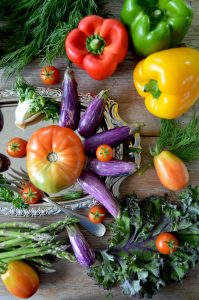
“It also augments the effects of vitamin C, synergistically helping to prevent over-activation of mast cells, which secrete histamine when the body is inflamed,” Pedre previously told mbg. “Not to mention, quercetin acts as a zinc shuttle, getting natural antiviral zinc into cells where it can help mitigate viral replication.”
How much quercetin does one need per day?
Quercetin is widely distributed among plant foods, like fruits, vegetables, nuts, and seeds. It’s also a component of some medicinal herbs, including Ginkgo biloba, St. John’s wort, and Sambucus canadensis, a type of elderberry.
On average, people get around 5 to 40 milligrams of quercetin per day through their diet, but if you eat a lot of fruits and vegetables, it’s likely that you’re getting closer to 200 to 500 milligrams. There’s no magical number for how much quercetin you should be getting daily, but most supplements recommend dosages between 500 and 1,000 milligrams per day—and that’s the dosage many studies on quercetin’s benefits mention, too.
What foods are high in quercetin?
There are quercetin supplements available, but you can also increase your intake through whole foods, which also provide additional phytochemicals, vitamins, and minerals that work synergistically to offer bonus benefits. If you’re trying to level-up your quercetin, focus on getting a variety of these foods daily:
- capers (most concentrated source)
- red onion (highest vegetable source)
- shallots
- red apples
- grapes
- berries
- cherries
- scallions
- kale
- tomatoes (organically grown tomatoes have up to 79% more than conventional fruit)
- broccoli
- brussels sprouts
- cabbage
- citrus fruits
- bell peppers (green and yellow)
- nuts (almonds and pistachios)
- asparagus (cooked has slightly more)
- buckwheat
- black tea
- green tea
- elderberry tea
In summary
Quercetin is an antioxidant that combats inflammation, helps support your immune system, and reduces your risk of allergies and chronic diseases like heart disease, cancer, and Alzheimer’s disease. While the average person gets a maximum of 40 milligrams per day, upping your intake to at least 500 milligrams will likely give you the most health benefits.
There are plenty of quercetin supplements, but the best plan of attack for boosting your intake is to include a variety of quercetin-rich foods, like capers, red onions, kale, and organic tomatoes, in your regular diet. If you’re considering taking a quercetin supplement, you might want to check in with your health professional to make sure it’s right for you.





Leave A Comment